
The Hidden Flaws of Traditional Latin Placeholder Text
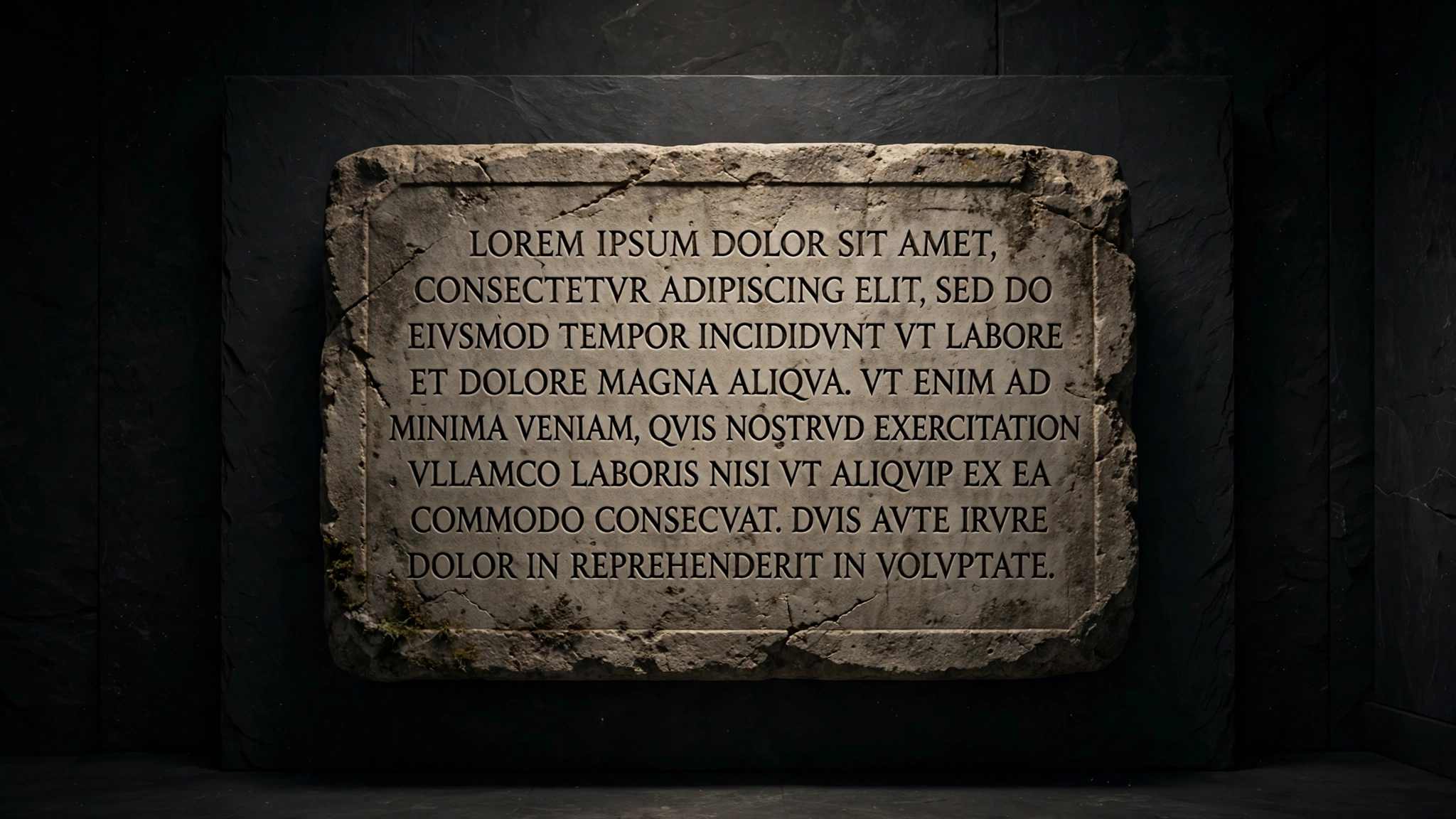
For centuries, typesetters and modern web designers have relied on Cicero's scrambled 1st-century treatise: "Lorem ipsum dolor sit amet, consectetur adipiscing elit...".
While Lorem Ipsum succeeds at neutralizing meaning so viewers focus on typography, it introduces serious UX evaluation blind spots:
- Misleading Character Density: Latin words have different vowel-to-consonant ratios and average syllable lengths
than contemporary English, French, or Spanish.
- Client Distraction: Clients during design reviews frequently ask: "Why is this in Spanish?" or "When will this be translated?", derailing the presentation.
- Ignored Real-World Edge Cases: Real user names can be as short as 2 characters ("Bo") or as long as 35 ("Wolfeschlegelsteinhausenbergerdorff"). Static dummy text fails to reveal layout overflows.
Why Contextual Copywriting Wins Client Approvals
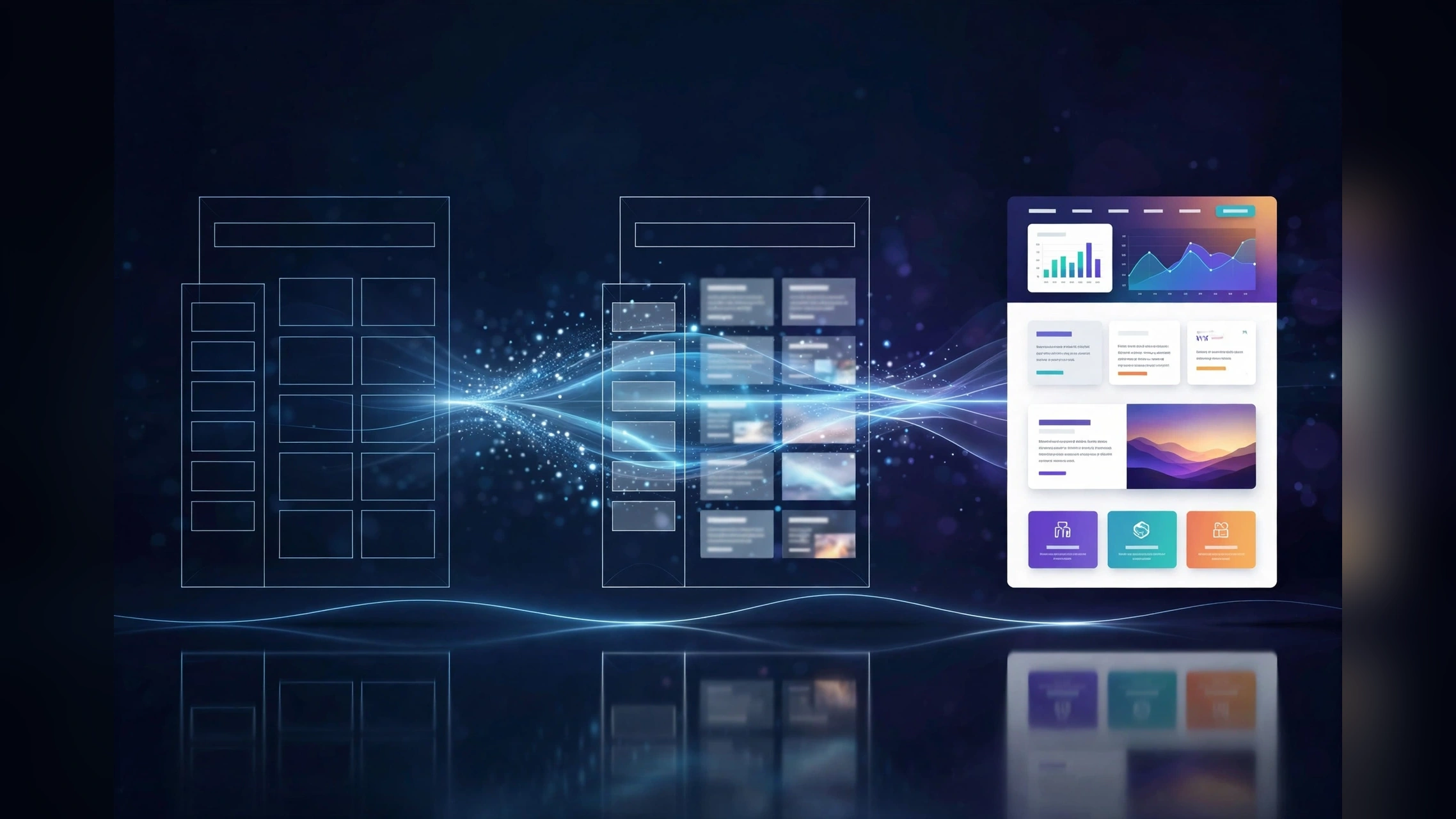
Modern design teams replace generic Latin with proto-copy — realistic placeholder sentences tailored to the product's domain:
- E-Commerce: Use realistic product titles, SKU numbers, currency prices, and shipping disclosures.
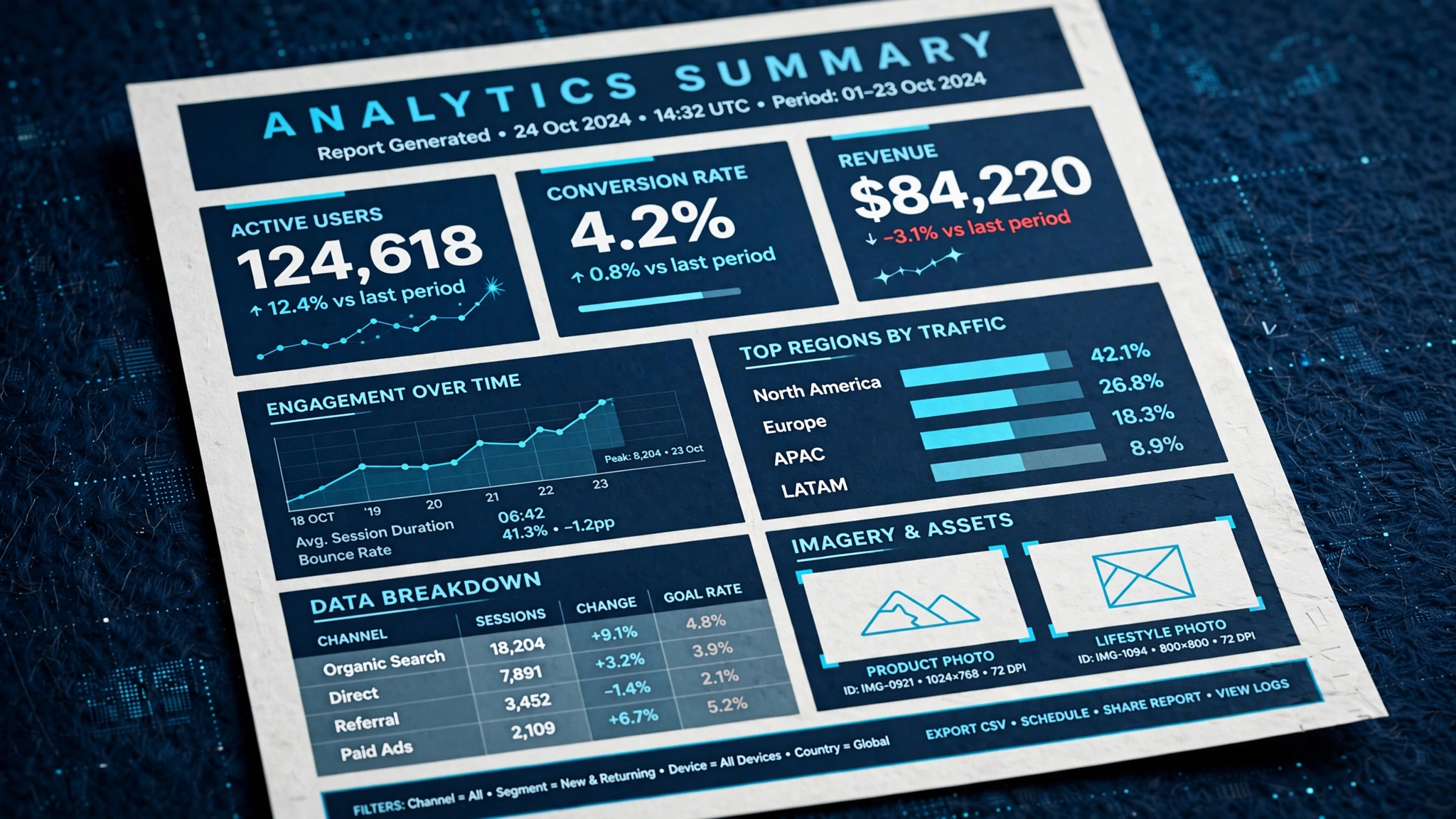
- SaaS Dashboards: Use actual user roles, status tags (Active, Pending, Failed), and timestamps.
- Blogs & Media: Use realistic headline lengths and editorial excerpts.
Generate customized mock content instantly with ToolDolfen's Lorem Ipsum Generator and audit character boundaries with our Word Counter.

Recommended Companion Guides
Explore complementary tutorials and utilities from this topic cluster to enhance your digital workflow:
Case Conversion Best Practices for API, Code & Database NamingPractical step-by-step tutorial with verified standards and in-browser workflows.Markdown Tables Complete Guide: Syntax, Formatting & Column AlignmentPractical step-by-step tutorial with verified standards and in-browser workflows.Word Count Standards: Essays, Articles & Speech Time CalculationPractical step-by-step tutorial with verified standards and in-browser workflows.Convert WebP to JPG: Fix WebP Incompatibility on Legacy DevicesComplementary cross-format workflow connecting related data and media tools.